

By Robert Majdak Sr. MBA
Management Insights Group, LLC
October 26, 2026
In two decades of nonprofit accounting, I have watched more leadership teams stumble over designated funds than over any other concept on the balance sheet. The confusion is understandable, because donors, board members, and program staff use the word “designated” loosely, yet the accounting treatment, the legal exposure, and the reporting obligations differ sharply depending on who made the designation. New leaders who master this distinction early protect their organizations from audit findings, donor disputes, and the quiet erosion of public trust.
Two Kinds of Designation, Two Sets of Rules
Under FASB Accounting Standards Codification Topic 958, as amended by ASU 2016-14, every nonprofit reports net assets in two classes: net assets without donor restrictions and net assets with donor restrictions. The decisive question is simple: who imposed the limitation? When a donor stipulates that a gift must fund a scholarship program or remain invested in perpetuity, that restriction carries legal force, and only fulfillment of the donor’s own conditions, or a court, can release it. When the board sets aside unrestricted resources for an operating reserve, a building fund, or a future initiative, that designation remains an internal policy decision that the board created and the board can reverse. Board-designated funds therefore stay within net assets without donor restrictions, though the organization must disclose them on the face of the statements or in the notes.
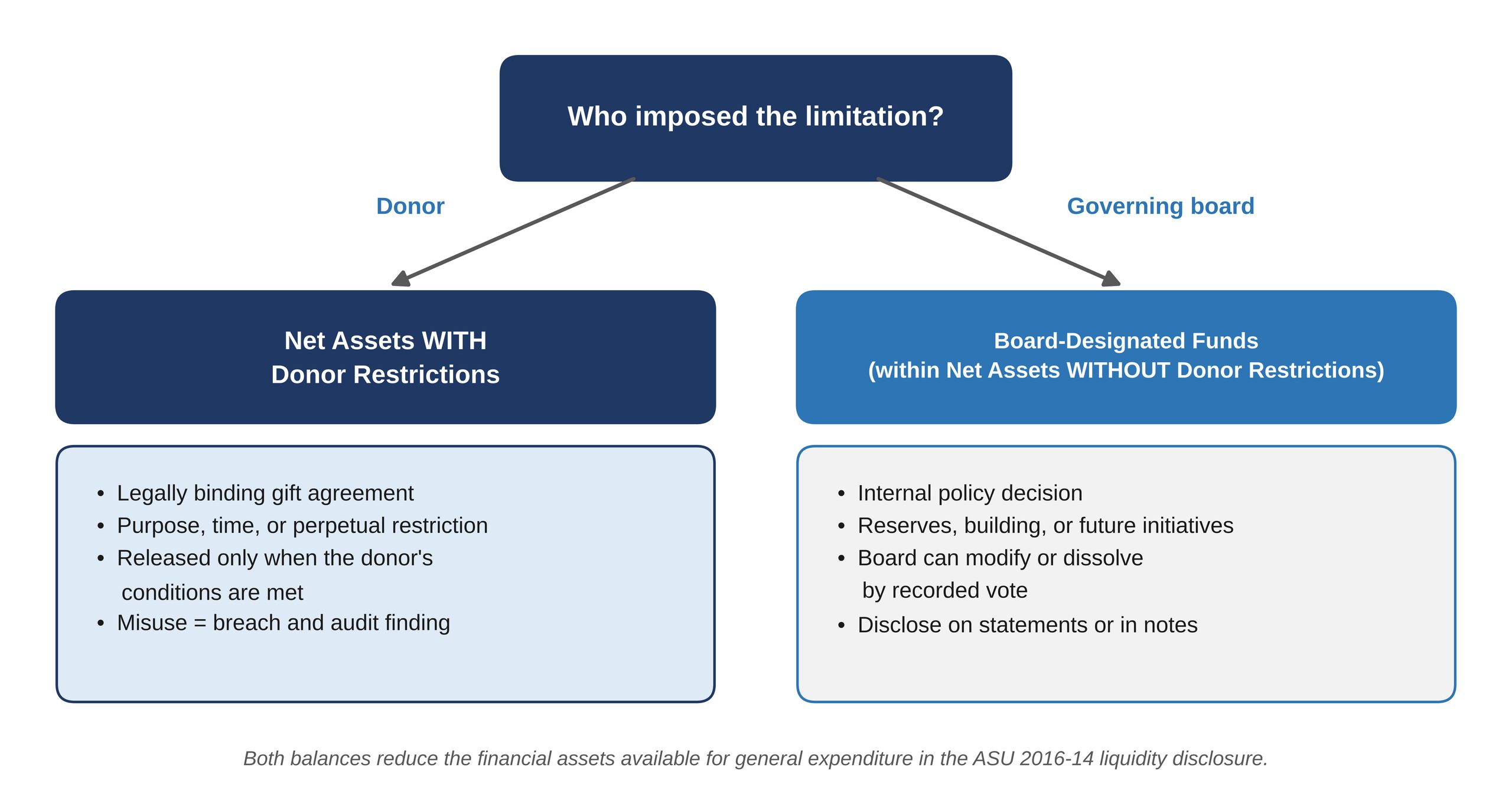
Figure 1. The source of the limitation determines the net asset class.
Why the Distinction Matters
I treat this line as nonnegotiable. Spending donor-restricted money on general operations, even temporarily and with every intention of repayment, breaches the gift agreement and invites scrutiny from auditors, state attorneys general, and the donor community. Conversely, when management treats board-designated reserves as untouchable, it can starve programs of resources the board never intended to lock away. Accurate classification also shapes the liquidity disclosure that ASU 2016-14 requires, because restricted and designated balances reduce the financial assets available for general expenditure within one year, and institutional funders scrutinize that disclosure closely.
Building a Tracking System That Holds
Effective tracking begins in the chart of accounts. I require a dedicated fund or class segment that tags every restricted and designated transaction at entry, so the general ledger itself, not a disconnected spreadsheet, carries the restriction. Staff code each gift against its source document the day it arrives.
Second, maintain a restriction register: a single schedule listing every active fund, its source, purpose, time constraint, original amount, releases to date, and remaining balance. Each entry links directly to the signed gift agreement or board resolution that authorizes it.
Third, record releases deliberately. When the organization incurs a qualifying expense or a time restriction lapses, the accountant posts a reclassification from net assets with donor restrictions to net assets without donor restrictions. The release always follows the qualifying expenditure; it never precedes it.
Fourth, reconcile monthly, confirming that the register total equals the restricted net asset balance in the general ledger, and that the board-designated total matches the most recent board resolutions. Any variance demands investigation before the books close.
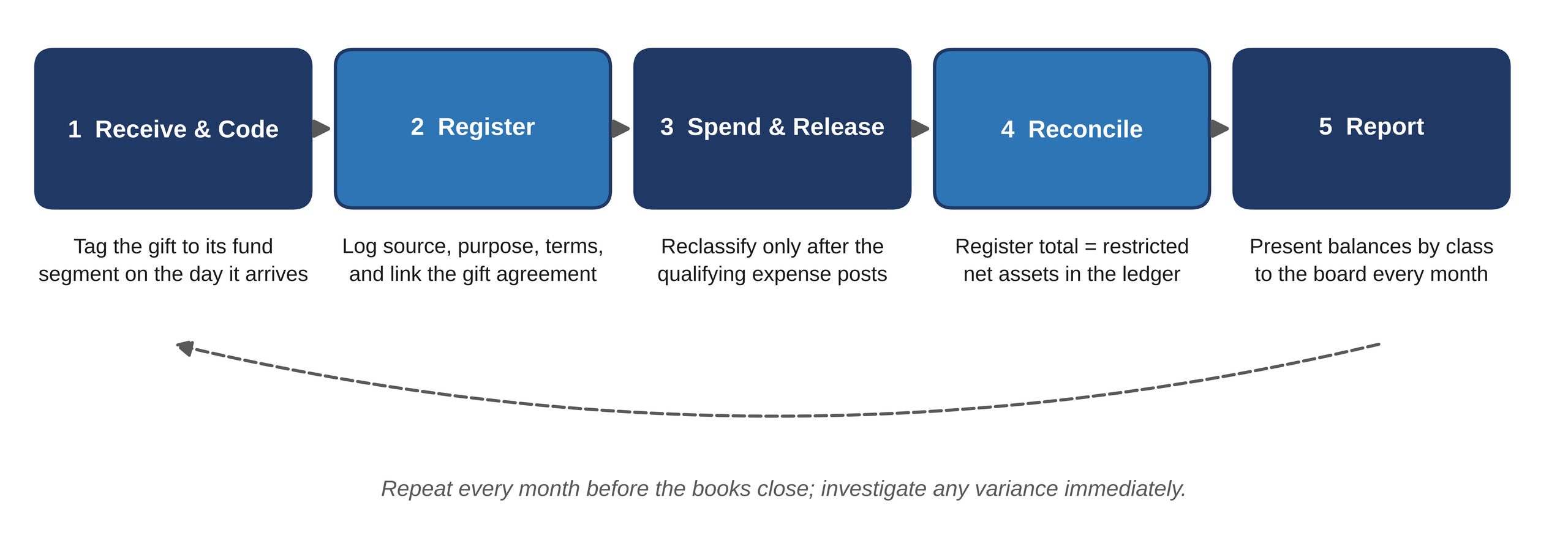
Figure 2. The monthly tracking cycle for restricted and designated funds.
Governance Practices for New Leaders
Systems alone will not protect an organization; leadership habits complete the structure. Require the development and finance offices to review every gift agreement together before acceptance, so the organization never promises a donor something it cannot track or honor. Present restricted and designated balances as a standing item on the board finance report, separated by class and purpose. Adopt a written policy that defines how the board creates, modifies, and dissolves designations, and record each action in the minutes. Finally, keep cash discipline in view: restricted net assets do not always require segregated bank accounts, but leaders must confirm that sufficient liquid resources stand behind every restricted balance at all times.
The Bottom Line
Designated funds represent promises: promises to donors who entrusted the organization with a specific purpose, and promises the board made to its own future. Managing them well demands precise classification, disciplined tracking, and transparent reporting. I have seen organizations lose major donors over a single misapplied gift, and I have seen others earn decades of loyalty by demonstrating, line by line, that every restricted dollar went exactly where the donor intended. Honor the restriction, document the designation, and reconcile without exception. That is how a nonprofit earns trust that outlasts any single campaign.
💎Premium Subscribers can download the Fund Register Example that compliments this article.
-MIG
© Management Insights Group, LLC
Dallas/Fort Worth Texas Office