

By Robert Majdak Sr. MBA
Management Insights Group, LLC
September 28, 2026
Three Disciplines for Managing Seasonal Demand Without Disrupting Production
Seasonality is not a problem to be solved; it is a condition to be managed. Over two decades advising services firms and manufacturers, I have watched capable leadership teams allow predictable demand cycles to dictate their operations, overloading their workforce during peak periods and hemorrhaging margin during troughs. The underlying error is consistent: they permit the sales calendar to govern the production calendar. Organizations that outperform their peers deliberately decouple these two rhythms, absorbing volatility at the commercial and financial layers so the operational core runs at a steady, efficient cadence. Three disciplines have proven most reliable in accomplishing that decoupling.
1. Institutionalize Sales and Operations Planning
The first discipline is a formal, recurring Sales and Operations Planning (S&OP) process that compels commercial and operational leaders to reconcile a single demand forecast against realistic capacity before commitments are made. I insist that clients build this forecast from at least three years of historical data, disaggregated by product line or service category, and then adjust it for pipeline intelligence and macroeconomic signals.
For manufacturers, the output is a level-loaded production schedule supported by a calculated inventory buffer. Rather than chasing demand, the plant produces at a consistent rate throughout the year, building finished-goods or component inventory during slower months and drawing it down during the peak. The carrying cost of that inventory is almost invariably lower than the combined cost of overtime, expedited freight, quality failures, and idle labor that chase strategies generate.
For services firms, the analogous asset is prepared capacity. Standardized templates, documented procedures, and pre-built deliverable frameworks developed during quieter periods allow the firm to absorb peak volume without proportional increases in labor hours. In both sectors, the monthly S&OP meeting becomes the single forum where tradeoffs are surfaced and resolved, rather than discovered in crisis.
2. Shape Demand Rather Than Merely Forecast It
The second discipline recognizes that the demand curve is not fixed; leadership can reshape it. I advise clients to deploy commercial levers that pull volume out of the peak and redistribute it into the valleys.
Manufacturers accomplish this through early-order programs, off-season pricing incentives, extended dating terms, and counter-seasonal product lines that utilize the same equipment and competencies. A firm producing heating components, for example, can pursue adjacent ventilation or cooling work to occupy summer capacity.
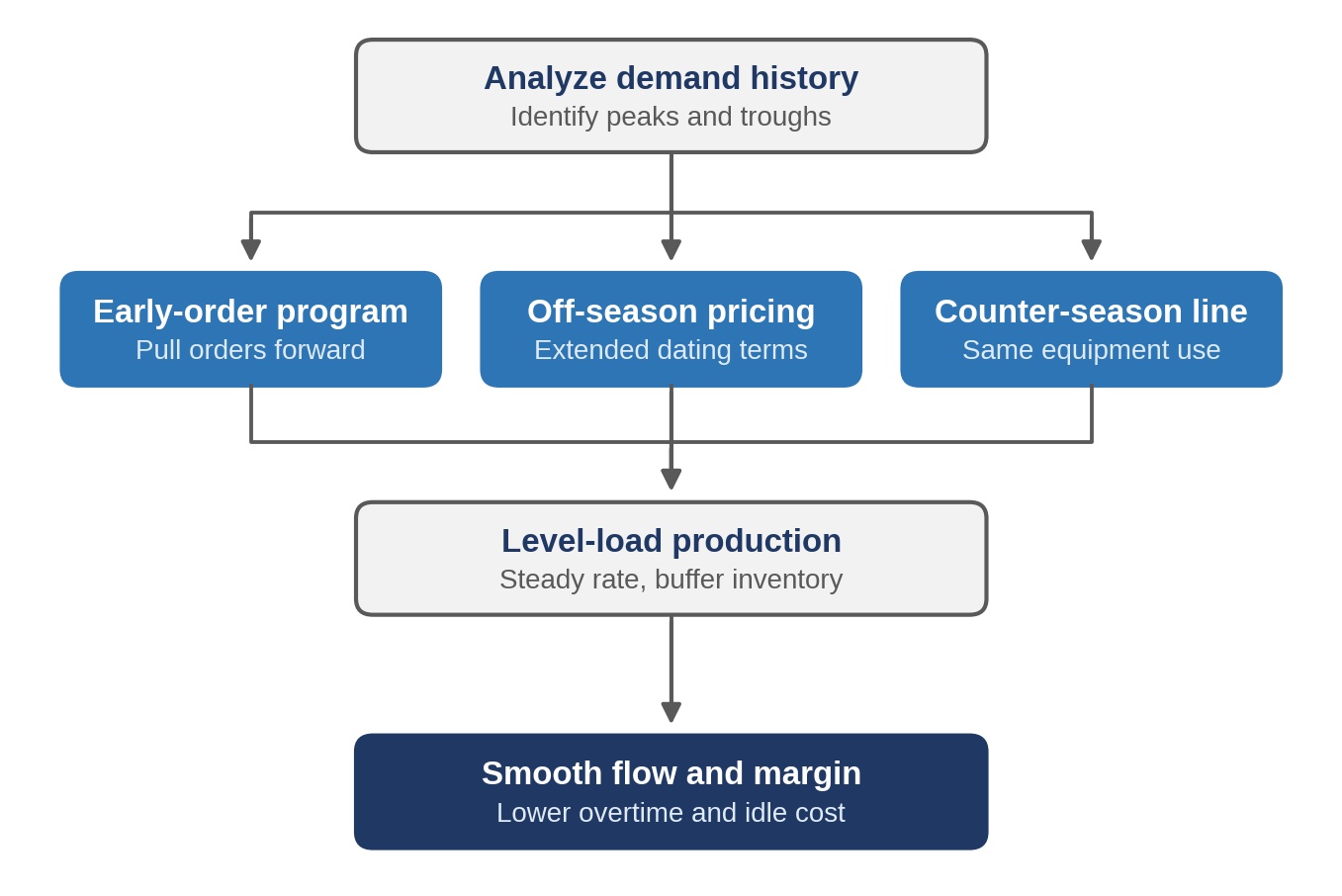
Figure 1. Demand Shaping in Manufacturing
PRO TIP: Demand analysis drives three commercial levers that converge into a level-loaded production schedule.
Services firms possess an even more powerful instrument: the recurring retainer. Converting transactional, project-based engagements into monthly retainer agreements transforms lumpy revenue into predictable, annualized cash flow and allows the firm to schedule work across the calendar rather than compress it into deadline-driven peaks. This model sits at the center of how my own firm operates, and I have watched it stabilize both revenue and staff utilization for every client who adopted it. Off-peak advisory reviews, planning engagements, and training programs reinforce this effect, because clients value them yet they carry no seasonal urgency.
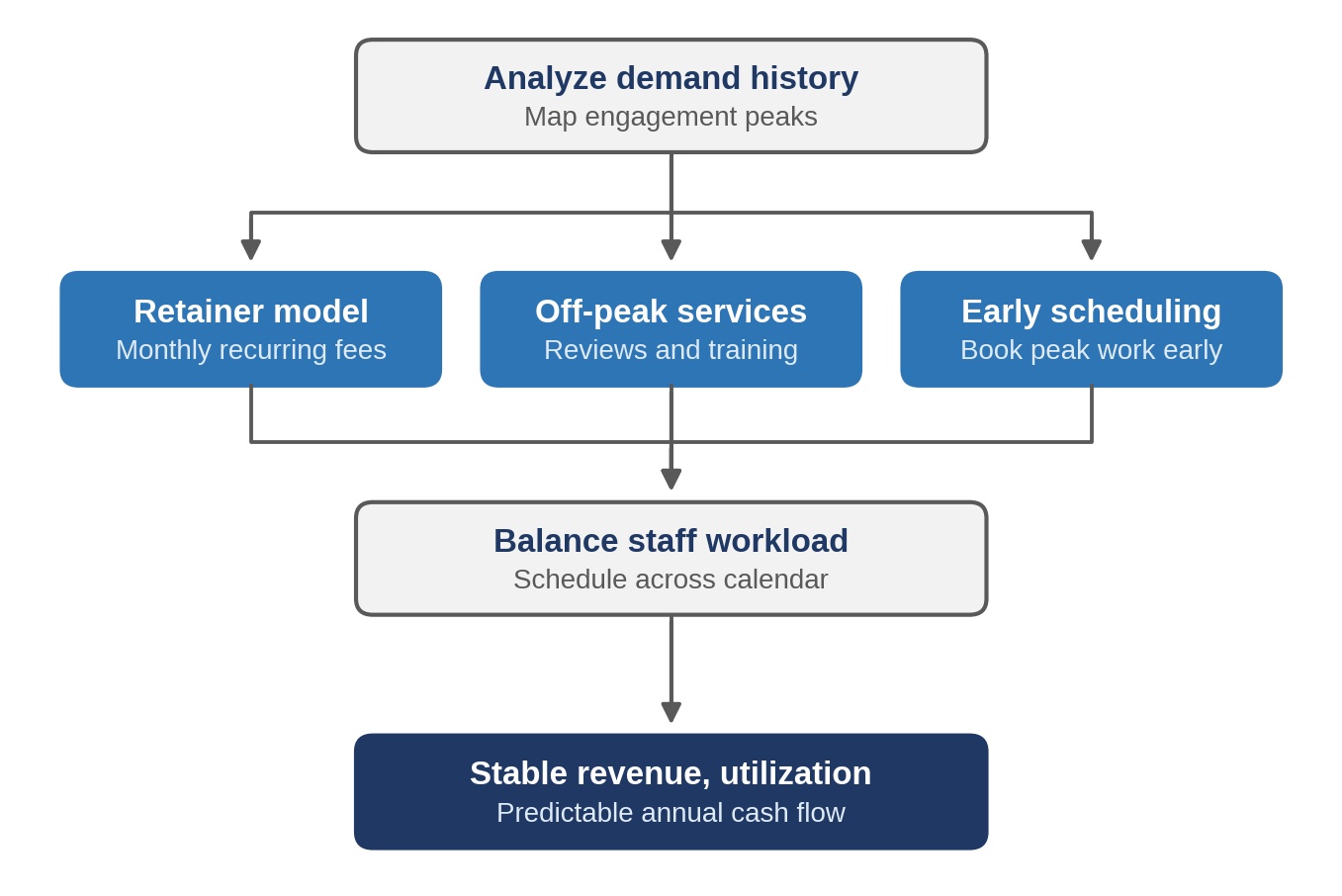
Figure 2. Demand Shaping in Services Organizations
PRO TIP: Retainers, off-peak offerings, and early scheduling convert peak-season spikes into balanced, year-round workload.
3. Build Flexible Capacity and Fund It Deliberately
The third discipline addresses the residual volatility that no forecast or pricing strategy eliminates. The objective is a capacity model with a stable core and a flexible perimeter.
The core consists of cross-trained, full-time personnel capable of moving between functions as demand shifts. The perimeter comprises pre-qualified contract labor, outsourced production partners, and fractional specialists engaged only when volume requires them. Securing these relationships before the peak arrives, with negotiated rates and defined onboarding protocols, prevents the premium costs and quality erosion that accompany emergency sourcing.
Flexible capacity must be financed intentionally. I require clients to maintain a rolling thirteen-week cash flow forecast and to establish a seasonal line of credit well before it is needed. Inventory builds and pre-peak hiring consume working capital months before the corresponding revenue arrives, and lenders extend far more favorable terms to borrowers who present a disciplined plan than to those who arrive with an urgent request.
The Leadership Imperative Each discipline delivers value independently, but their combined effect is transformational. S&OP establishes visibility, demand shaping reduces the amplitude of the cycle, and flexible capacity absorbs what remains. Together, they convert seasonality from a recurring source of operational stress into a predictable variable that leadership plans around with confidence. Companies that master this integration do not merely survive their peak seasons; they emerge stronger, more profitable, and better positioned than competitors still reacting to the calendar. That outcome is not a matter of fortune. It is a matter of leadership.
-MIG
© Management Insights Group, LLC
Dallas/Fort Worth Texas Office